
Cheap Pilates Is Costing You More Thank You Think
This is a conversation that can feel uncomfortable to start. It involves talking about what I do and why it's worth what it costs…and most people in the service industry aren't used to saying that out loud.
But I think you deserve to know what you're actually paying for when you book a session at a studio and what you might be giving up when price is the only factor.
So let's start by talking about training.
What It Takes to Become a Classical Pilates Instructor
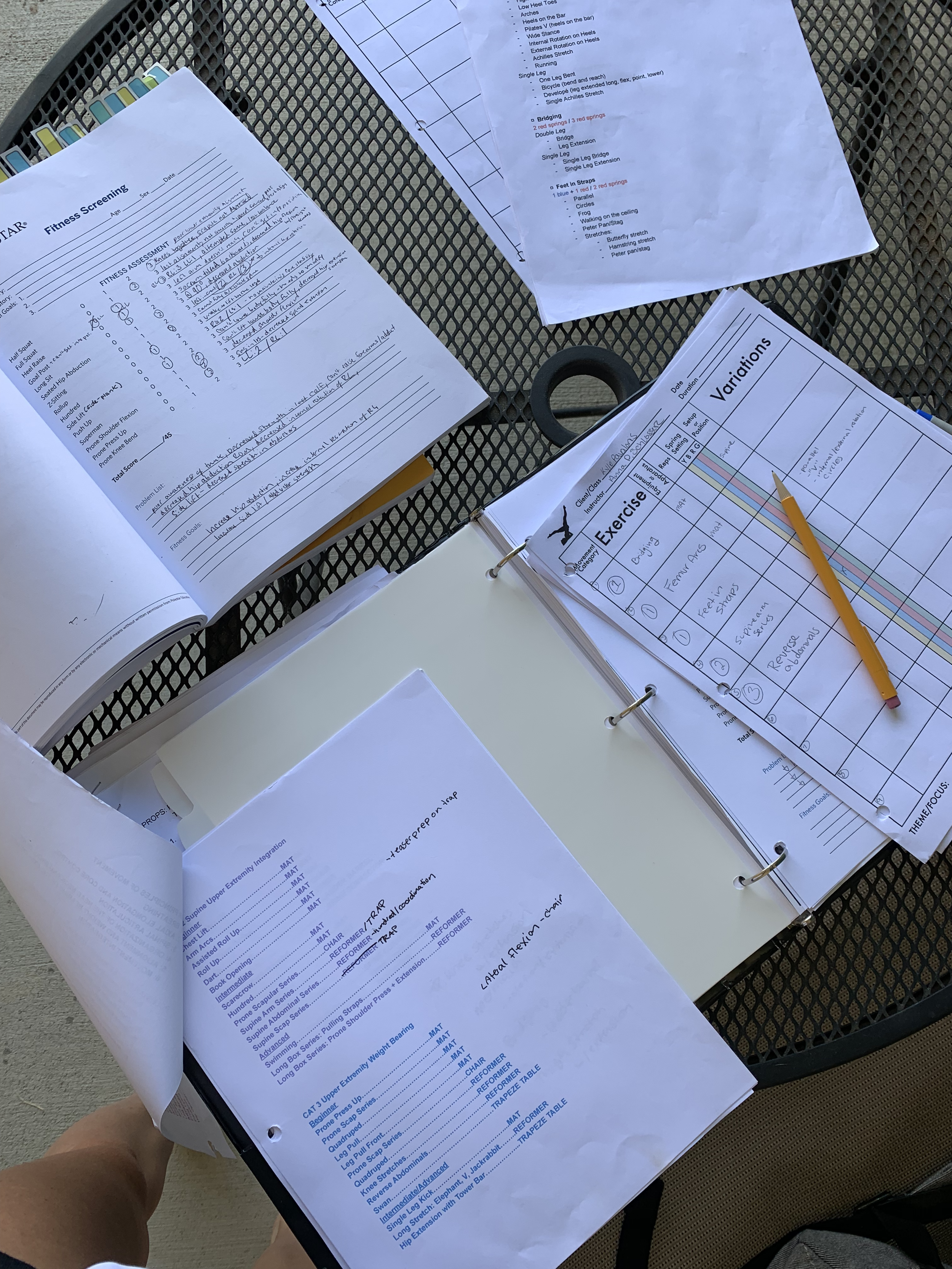
A classically trained Pilates instructor does not complete a weekend seminar and open a studio. The training is closer to an apprenticeship: structured, supervised, cumulative, and genuinely long.
A comprehensive classical Pilates teacher training program typically requires:
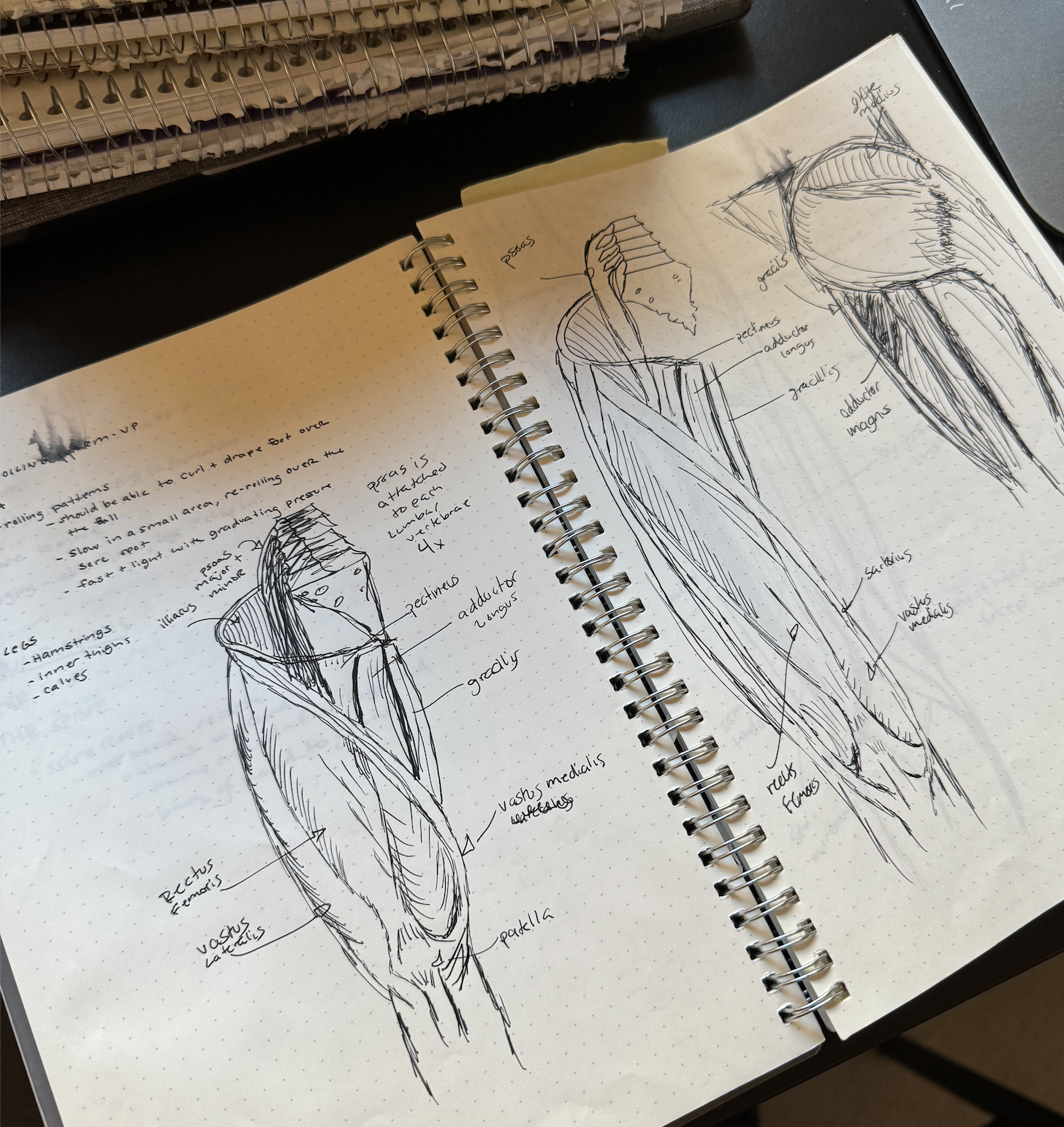
500 to 1,000+ hours of documented training. This includes observation hours watching skilled instructors teach, practice teaching hours working with real clients under supervision, personal practice hours doing the work yourself at depth, and classroom study covering anatomy, biomechanics the apparatus, the exercises, the progressions, and the philosophy of the method.
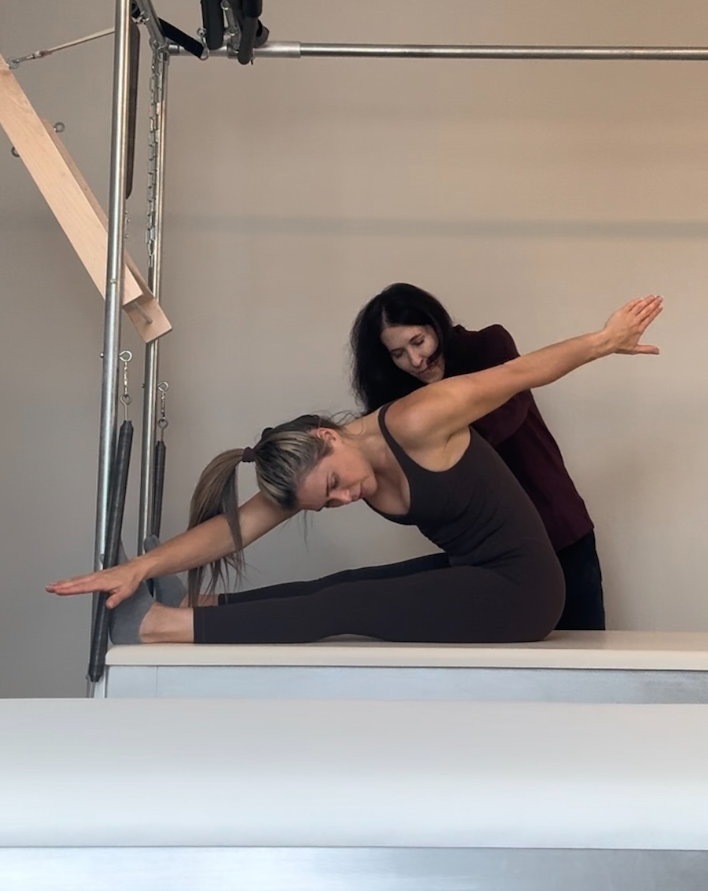
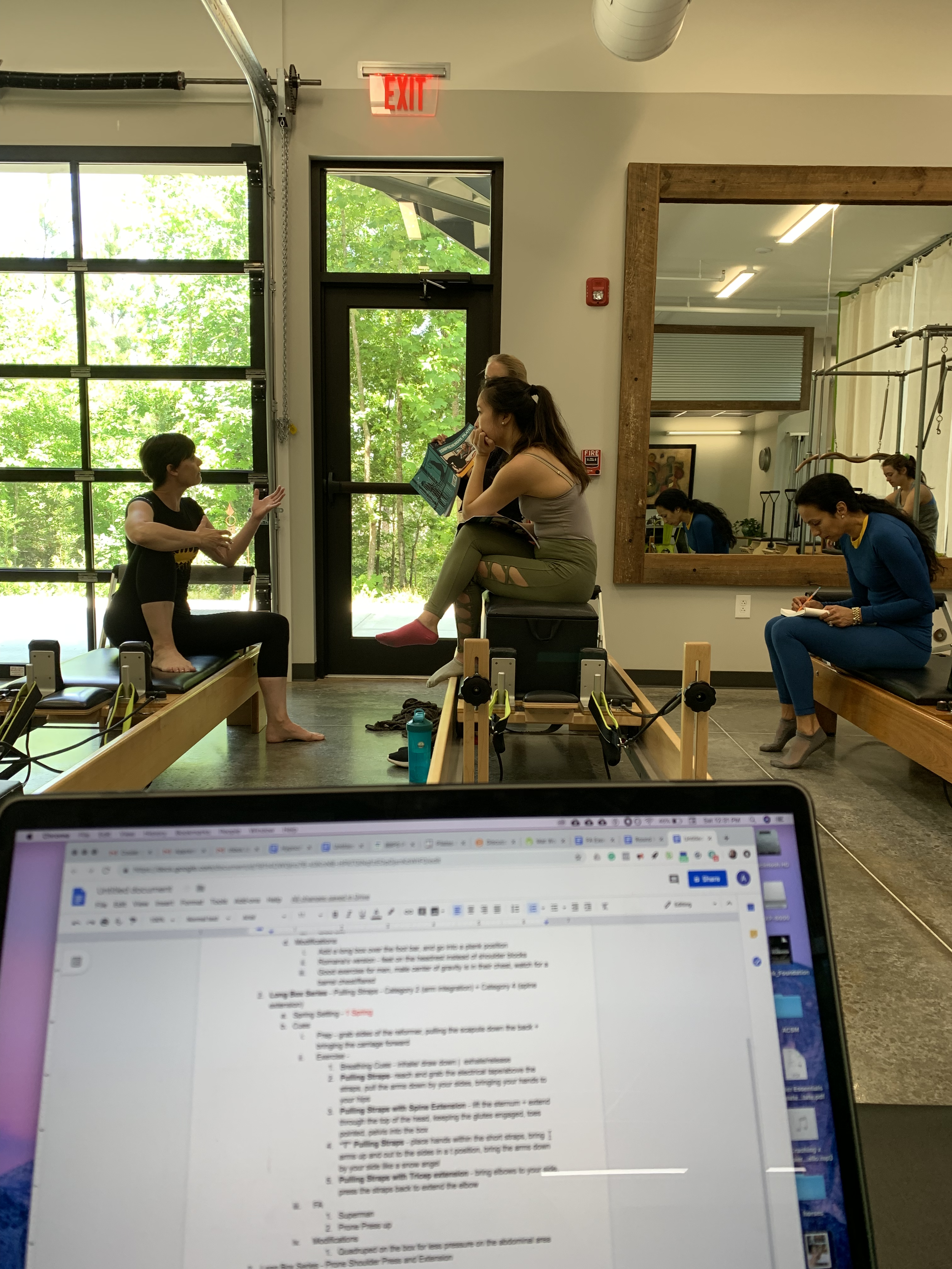
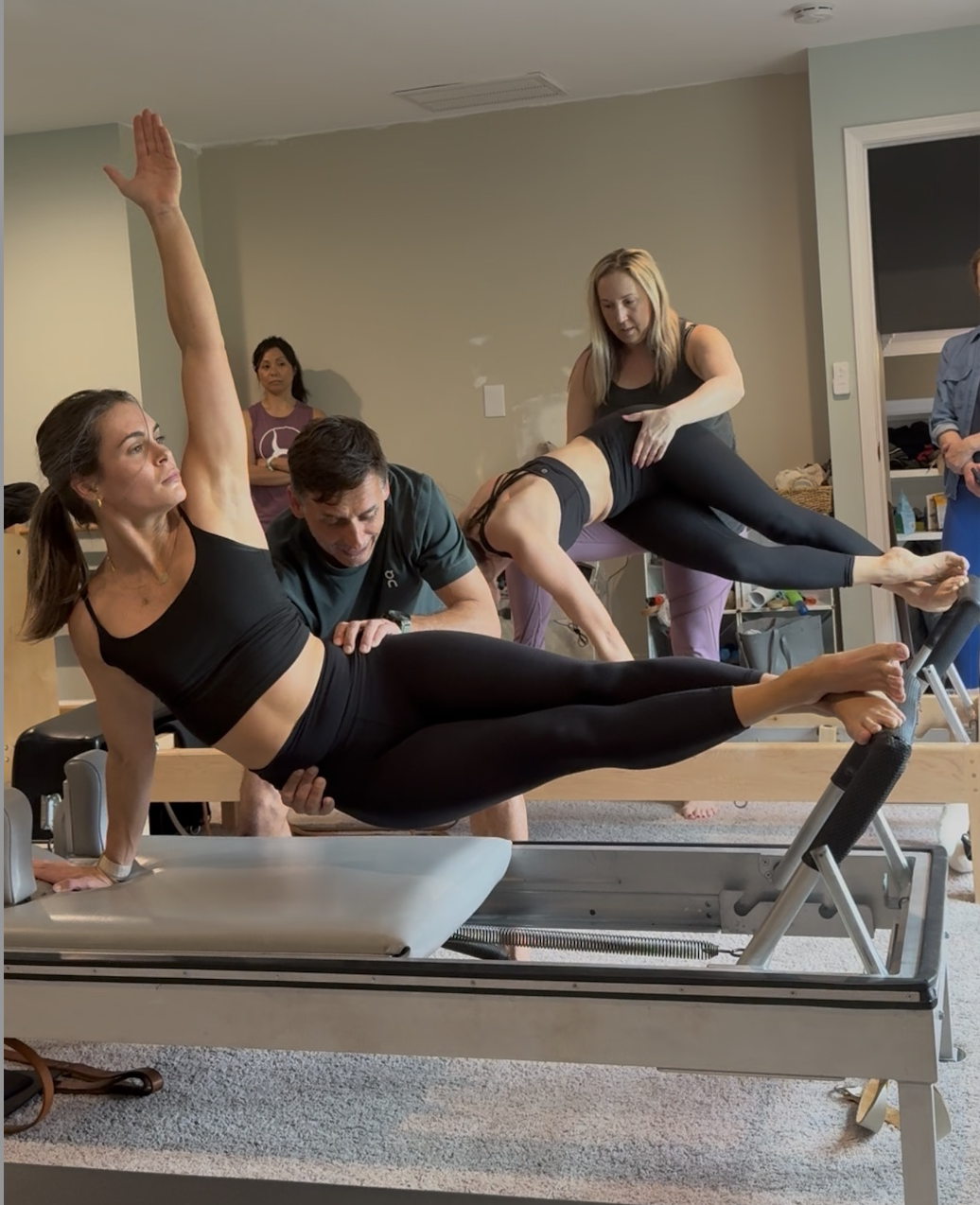
A mentorship relationship with a qualified senior instructor. You don't learn this from videos or manuals alone. You are corrected, refined, and held accountable by someone who has been doing this for years. The feedback is embodied. It happens in the room, in real time, with a teacher watching how you move, how you cue, and how you see.
Time. A full classical training cannot be rushed. Most programs take one to three years to complete even for people training intensively. The most respected programs in the country build in checkpoints: you cannot advance until you've demonstrated mastery at the current level. There is no shortcut around the hours.
Working knowledge of the full system. Not a handful of exercises on one piece of equipment. The Reformer, the Cadillac, the Wunda Chair, the High Chair, the Spine Corrector, the Ladder Barrel, the mat work: all of it, as a comprehensive method and system, with a detailed blueprint of understanding of why each exercise exists in anatomy and how it serves the whole.
A commitment to continuing education. For a serious instructor, certification is not the finish line. It's the beginning. The teachers worth seeking out are still studying: attending workshops, working with master instructors, returning to their own practice with fresh eyes, and deepening their understanding of the method year after year. The body is endlessly complex, and the best instructors treat it that way. They don't stop learning because they have a certificate on the wall. They keep going because they know how much there still is to understand
What a Weekend Certification Actually Covers
A short-form certification, and there are a lot of them now, might involve two to four days of training, a written test, and a certificate at the end.
In those two to four days, an instructor typically learns a limited number of exercises, mostly on the reformer, basic verbal cues, and perhaps some introductory anatomy.
What they don't learn: how to work with injuries. How to modify for a body that isn't functioning the way it should. How to sequence a session to progressively challenge and develop someone over months and years. How to read a body. What to do when something unexpected happens mid-session.
And here's something that rarely gets said: they haven't had enough time to learn the movements in their own body. That matters more than most people realize. Understanding an exercise well enough to teach it requires living inside it first. You have to do it hundreds of times, feel where it goes wrong, discover what it's actually asking of you, and slowly piece apart what's happening so you can eventually help someone else find it. An instructor who has never truly experienced an exercise, who hasn't put in the hours to understand it from the inside and out, has no business teaching it to someone else. You cannot give what you don't have.
The gap between these two paths is not small. It's the difference between someone who has absorbed a system and someone who has memorized a script.
Would You Choose the Two-Day Doctor?
Think about it this way.
You have a complicated health issue. You have two options. One doctor went to Harvard Medical School: four years of rigorous coursework, a residency, years of supervised clinical experience, ongoing education, and mentorship from some of the best physicians in the field. The other completed a two-day intensive certification and passed a multiple choice test.
Both have credentials. Both have certificates. Both will say yes when you ask if they're qualified.
But you know which one you're choosing.
The same logic applies to the person guiding your body.
Your spine, your joints, your movement patterns are not trivial. The consequences of poor instruction are real: reinforced dysfunction, aggravated injuries, undone progress, and sometimes new problems that weren't there before. I've worked with clients who came to me after years with a less-trained instructor, and the work of undoing what got ingrained is harder than starting from scratch would have been.

Let's Be Real About What You're Paying For
I want to be clear about something. I'm not saying every instructor who didn't go through a full classical training is a bad teacher. People grow throughout their careers. Some come from physical therapy or other movement backgrounds and bring real knowledge with them. The field is genuinely complex.
But the credentials are not equivalent, and the price should reflect that.
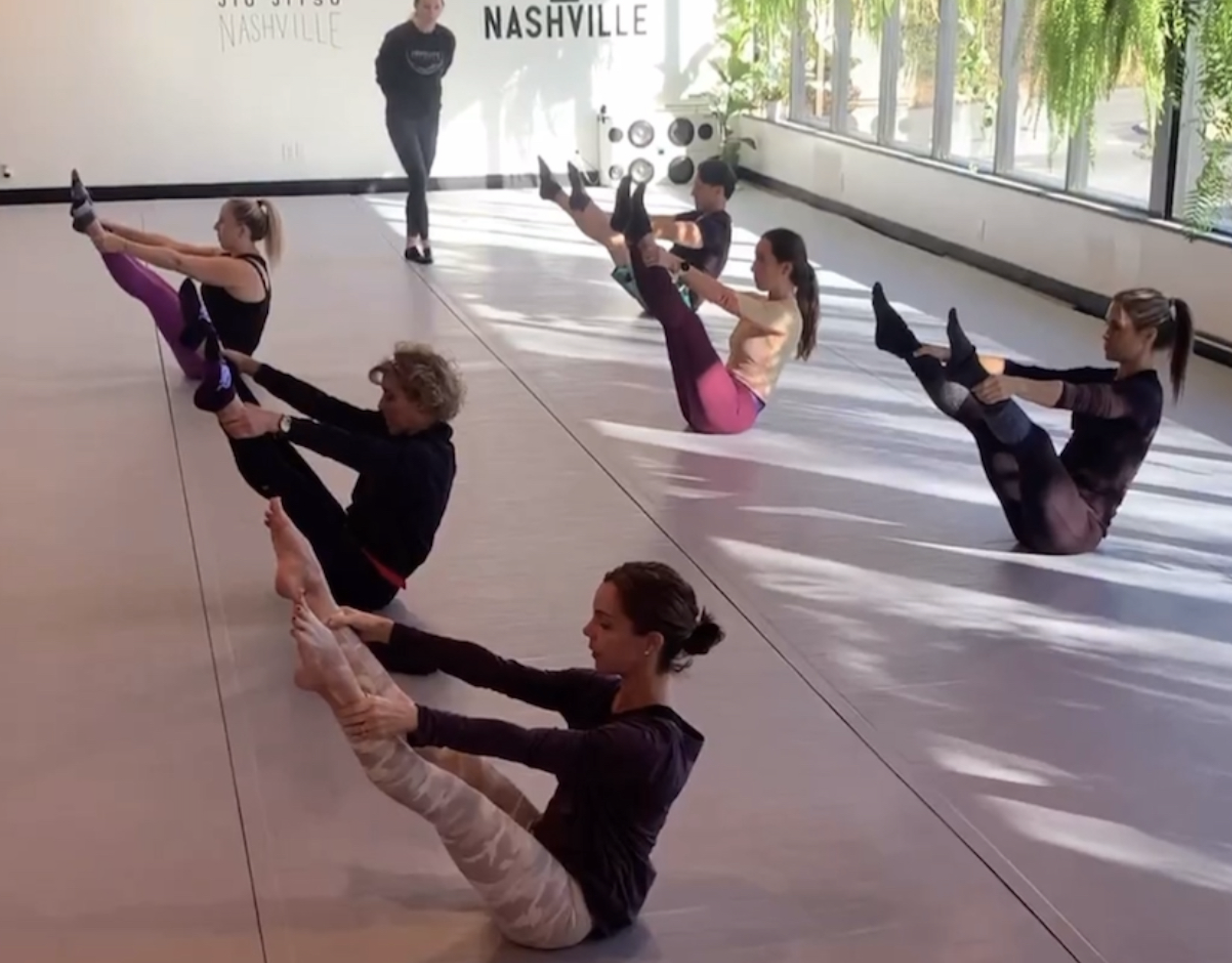
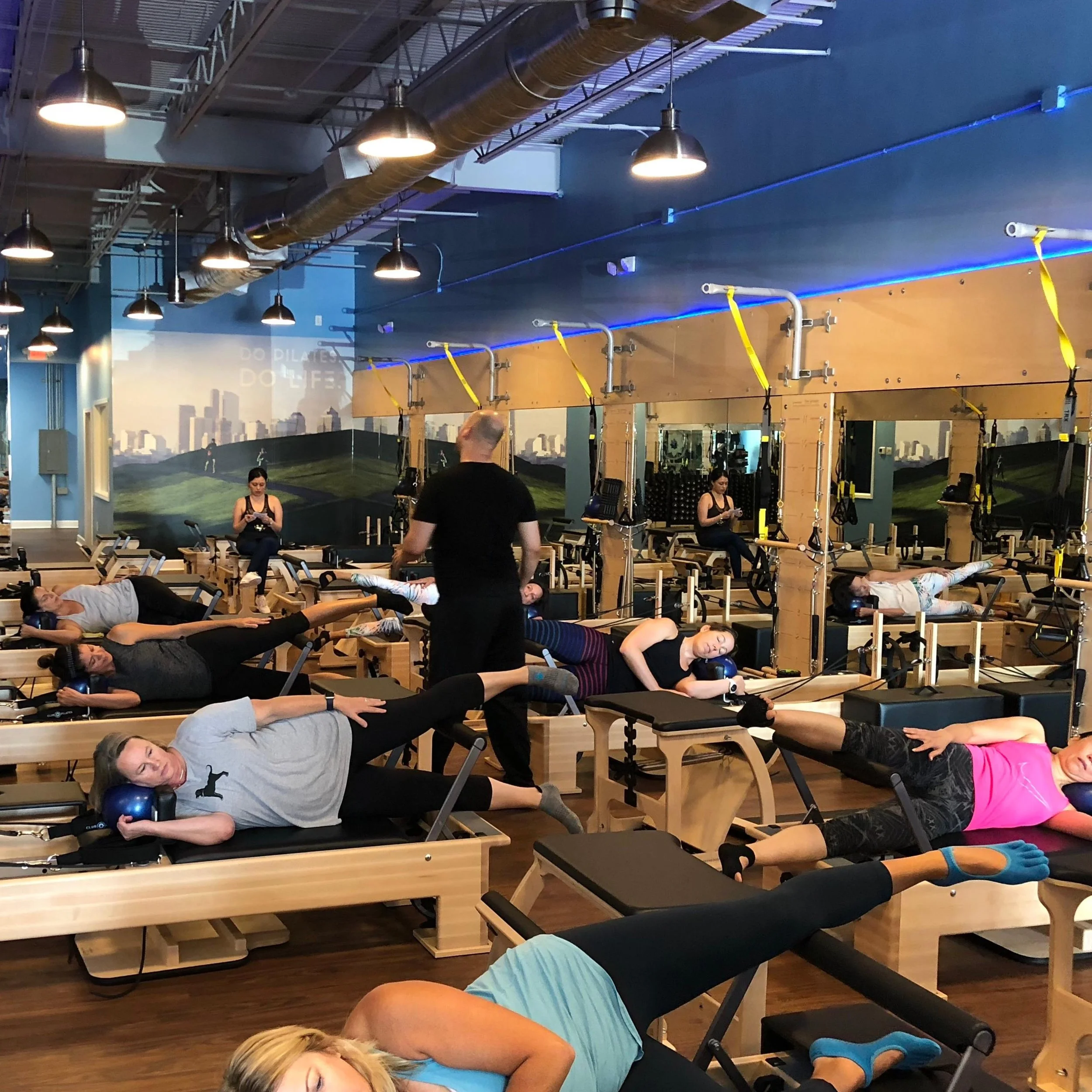
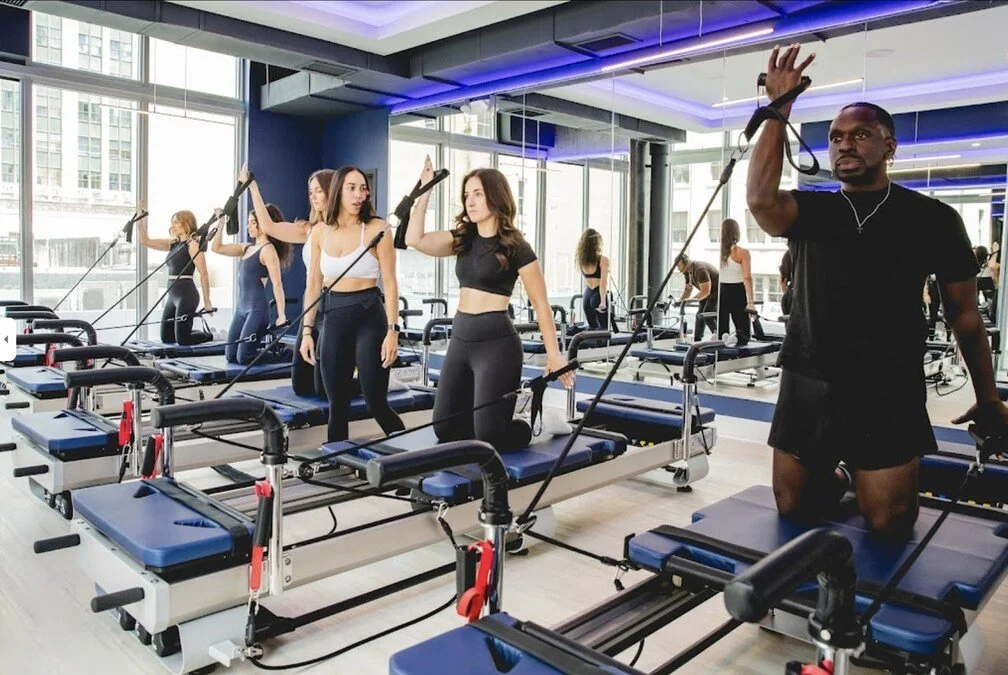
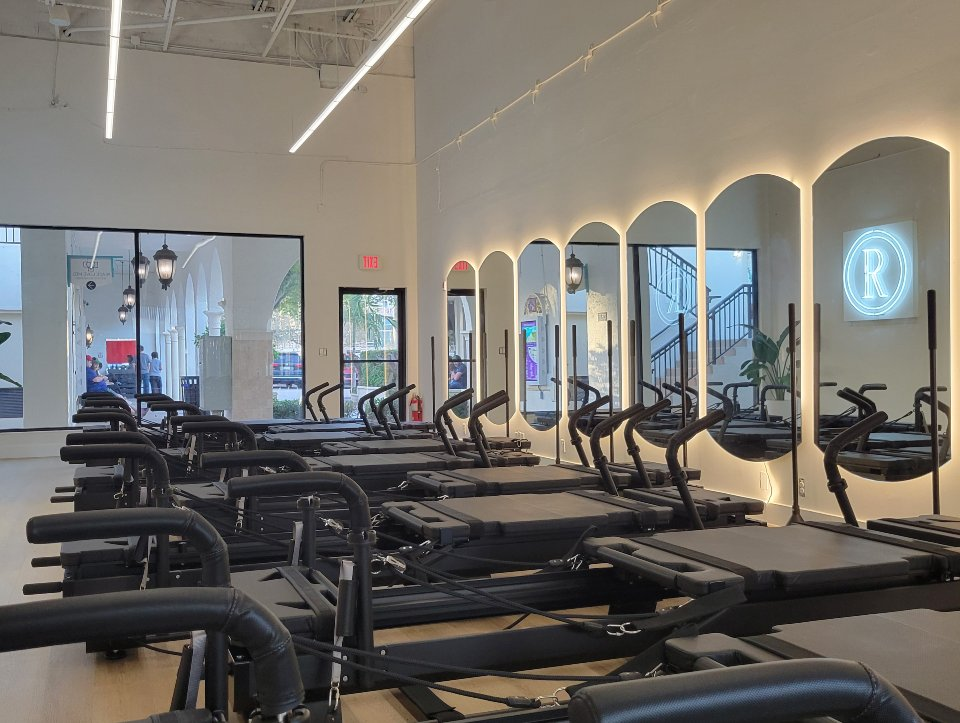
When you walk into a big-box studio with rows of reformers and twelve or more people in a class, what you're getting is likely an instructor, not a teacher. There's a difference. An instructor follows a template: the same sequence, the same cues, delivered to the room. They're executing a format that was handed to them, not responding to the bodies in front of them. Teaching requires seeing you, understanding what's happening in your body right now, and making decisions based on that. That's a skill that takes years to develop, and it cannot happen when one person is managing a room full of machines.
When you see private sessions at a serious studio priced accordingly, you are probably working with someone who spent years and real money becoming proficient, someone who can actually teach rather than just instruct.
You are not paying for access to equipment and an aesthetic studio. You are paying for the person who knows how to use it with you.
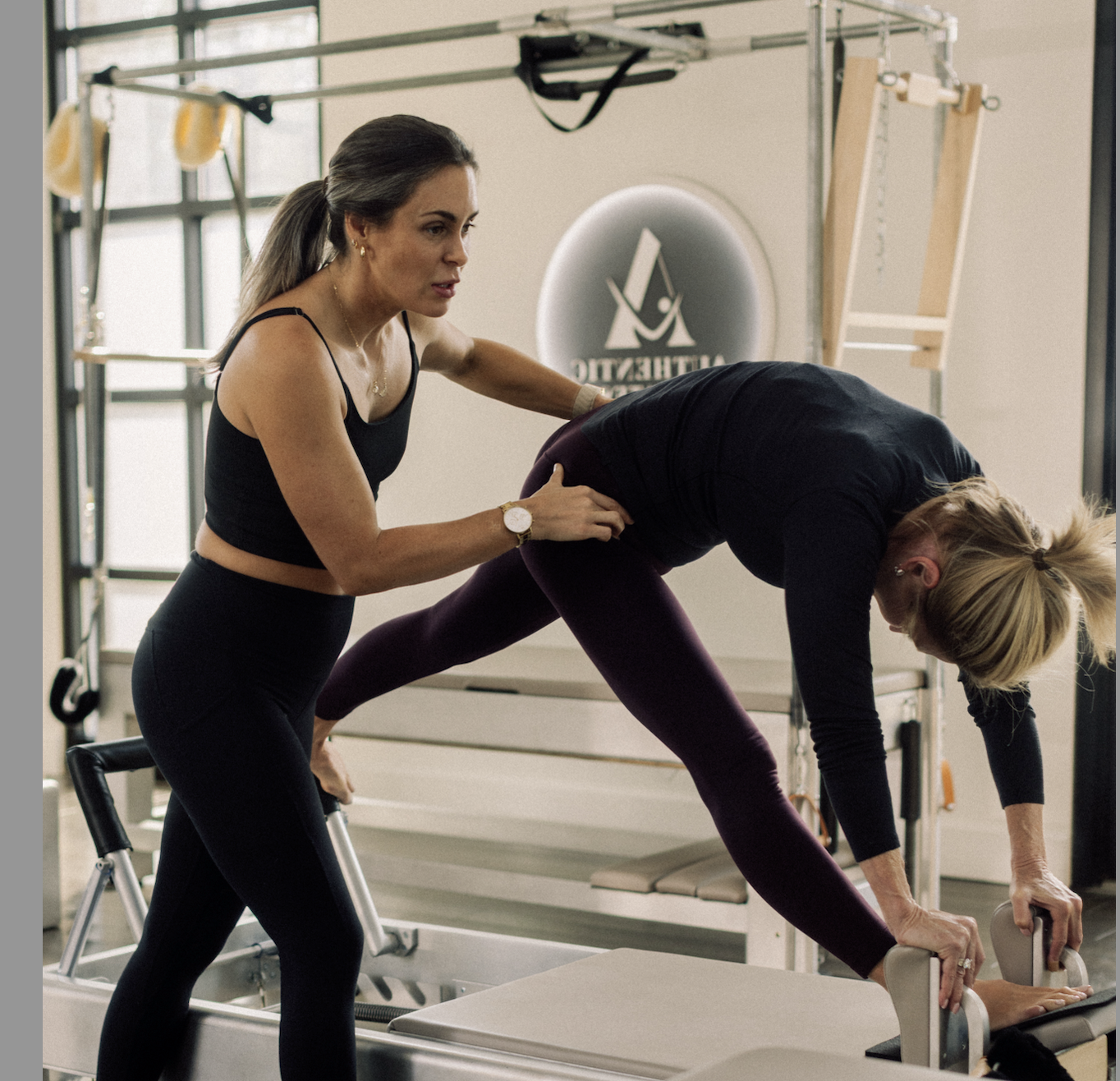
Hands on adjustments and guiding you through detailed movements is foundational for classical pilates instructors.
What a Highly Trained Instructor Actually Does for You
A classically trained instructor doesn't just run you through a workout. Here's what they're actually doing:
Assessing how you move. Before a single exercise happens, a skilled instructor is watching. How you stand, how you sit, how you transfer weight, where you compensate. That information shapes everything that follows.
Programming intelligently. Every exercise has an anatomical purpose relative to where you are right now. The session is not a menu of things you do; it's a conversation with your body that follows a logic. That logic requires deep biomechanical knowledge to execute well.
Modifying in real time. The body you bring on a flare-up day is not the same body you brought last Tuesday. A skilled instructor adjusts, not just the number of repetitions but the exercise itself, the apparatus, the spring resistance, the intention behind it. That kind of judgment can't be memorized from a manual.
Playing the long game. Classical Pilates is not a fitness trend. It's a system designed to develop the body over years. A trained instructor is tracking your progress against a long arc, not just whether you feel tired at the end of the hour.
What You Should Ask Before You Book
Before you work with any Pilates instructor, it's worth asking:
What training program did you complete, and how many hours did it require?
Do you have a continuing education practice or an ongoing mentorship?
Have you worked with clients who have injuries or chronic conditions?
How long have you been teaching?
A trained instructor will answer these questions without hesitation.
At Authentic Pilates NC, our instructors have completed rigorous classical training programs. We work with each client individually because your body deserves that level of attention.
If you're ready to invest in Pilates done right, we'd love to talk.
Authentic Pilates NC — 601 W. Smith Street, Greensboro, NC 27408helloauthenticpilates@gmail.com | 336-202-2365